
Trusted CI, the NSF Cybersecurity Center of Excellence, is proud to announce the recipients of the 2026/27 Trusted CI Fellowship
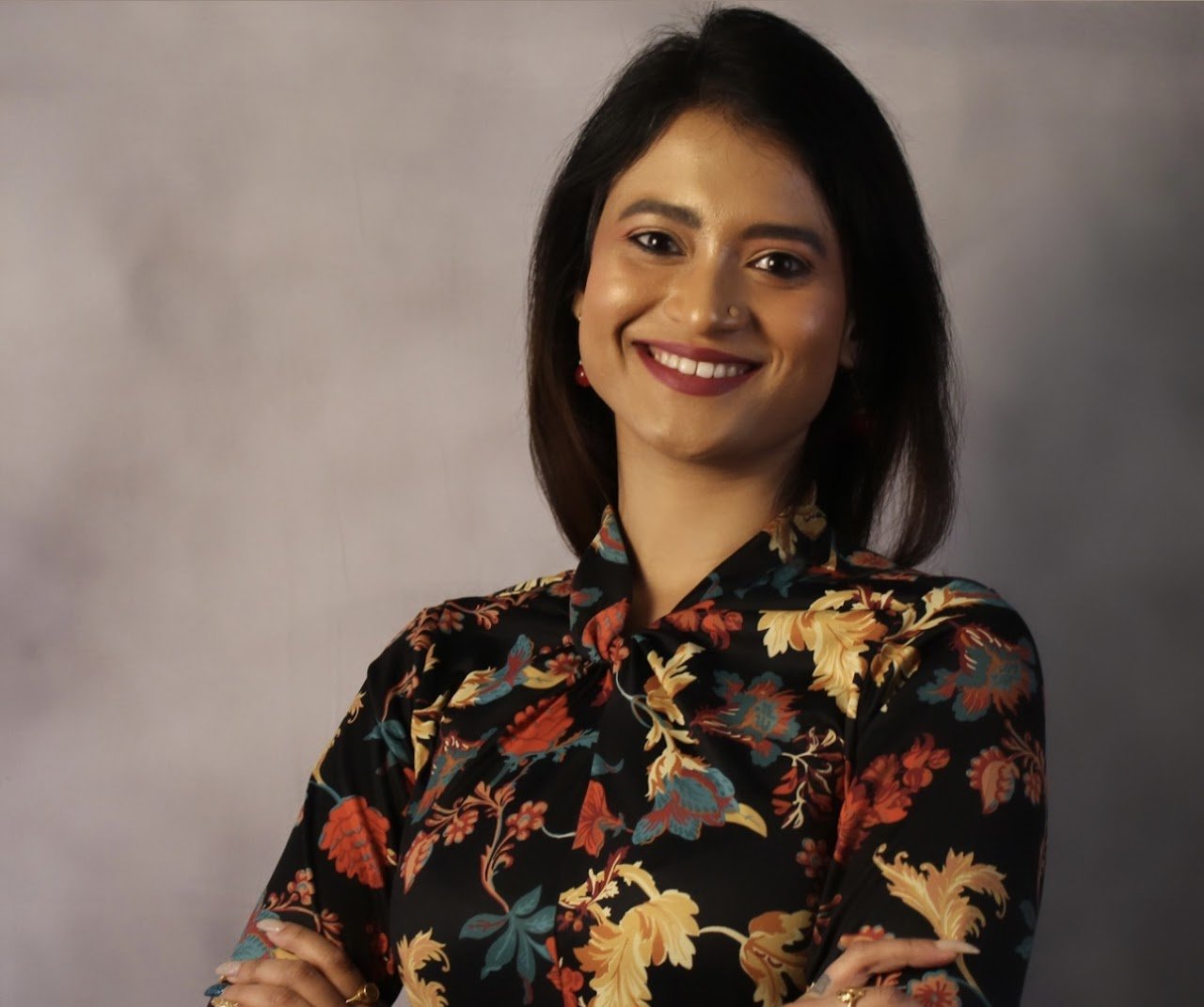
Sanchari Das
Assistant Professor in the Department of Information Sciences and Technology at George Mason University's College of Engineering and Computing
Dr. Sanchari Das is an Assistant Professor in the Department of Information Sciences and Technology at George Mason University's College of Engineering and Computing and the Director of the Data Agency and Security (DAS) and Secure Realities Labs. Her interdisciplinary research lies at the intersection of usable cybersecurity and privacy, artificial intelligence, human-computer interaction, accessibility, and the responsible design of emerging technologies. She was also a previous TrustedCI Scholar.
Her work investigates how people understand, experience, and respond to security and privacy risks across domains including the Internet of Things, augmented and virtual reality, healthcare, education, financial technology, social media, gaming, and electronic waste. By combining technical innovation with insights into human behavior and decision-making, she develops security solutions that are practical, inclusive, and responsive to everyday user needs.
Dr. Das's research has been published in leading venues, including CHI, CSCW, USENIX Security, IEEE Symposium on Security and Privacy, NDSS, Financial Cryptography, and SOUPS. Her work has received multiple best paper and poster awards, an NSF ADVANCE award, and research support from CISCO, Google, and Meta. She has also presented at prominent international forums, including Black Hat, RSA Conference, BSides, and USENIX Enigma.
Before joining George Mason, Dr. Das was a tenure-track Assistant Professor at the University of Denver, where she received the Distinguished Faculty Award and the Provost's Award for Excellence in Academic Advising. She earned her Ph.D. in Informatics from Indiana University Bloomington and brings prior industry experience from American Express, Infosys, HCL Technologies, Parity Technologies, and XRSI. Through the Trusted CI Fellowship, she aims to advance human-centered cybersecurity practices that strengthen the security and resilience of interdisciplinary scientific communities.
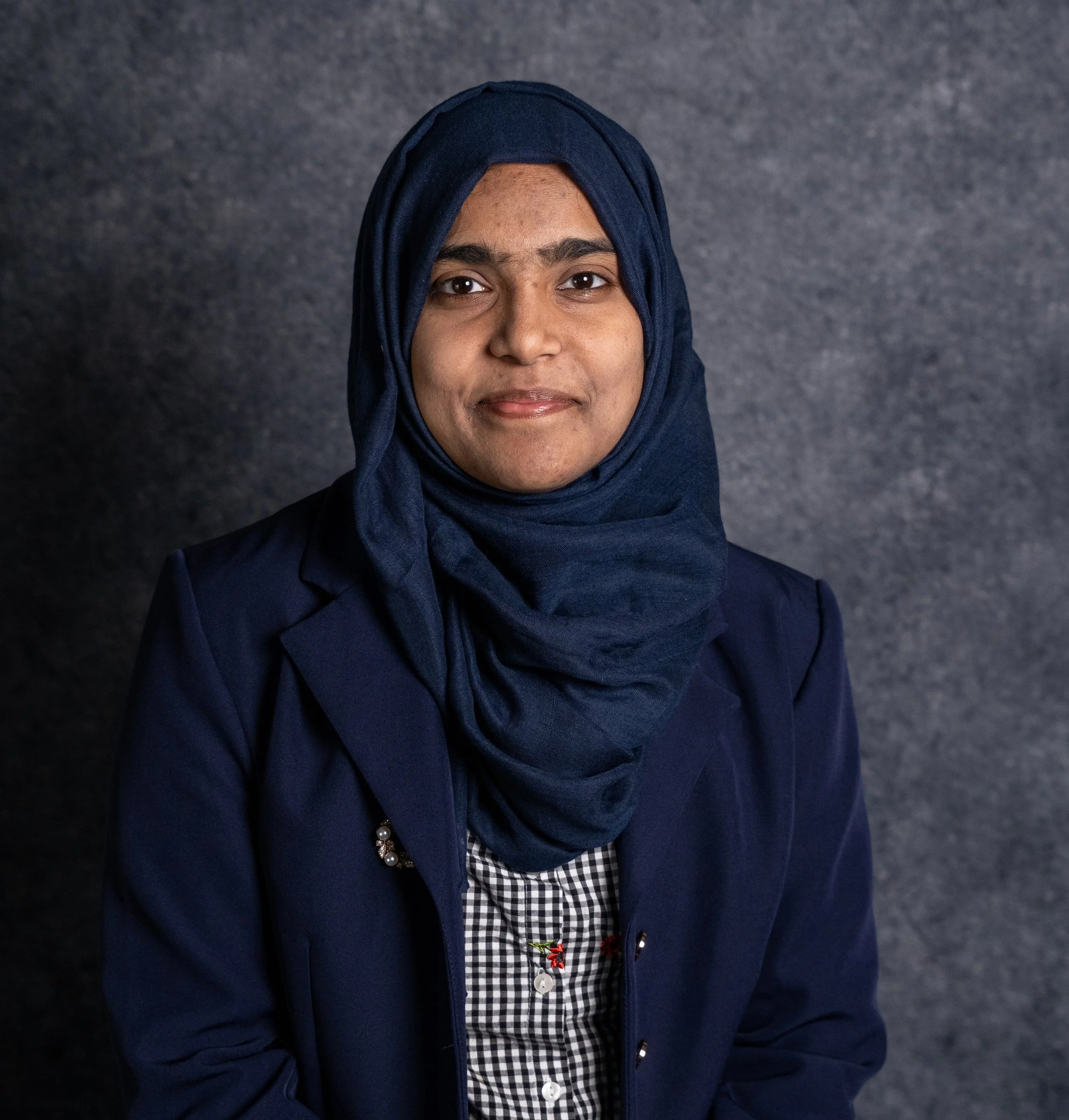
Farah Ferdaus
Assistant Professor in the Department of Electrical and Computer Engineering at Lamar University
Dr. Ferdaus joined Lamar in Fall 2025 after completing her postdoctoral research in the Mathematics and Computer Science Division at Argonne National Laboratory. She earned her Ph.D. in Computer Engineering from Florida International University. Her research spans quantum computing, AI accelerators, computer architecture, energy-efficient high-performance computing, hardware security, cybersecurity, and memory systems. Her work has appeared in premier ACM and IEEE venues, including IEEE Transactions on Information Forensics and Security (TIFS), IEEE Transactions on Computers (TC), IEEE Transactions on VLSI Systems (TVLSI), ACM Journal on Emerging Technologies in Computing Systems, SC Workshops of the International Conference for High Performance Computing, Networking, Storage and Analysis, QCE Workshops on Advancing Hybrid Quantum-Classical Computing, and IEEE International Symposium on Cluster, Cloud, and Internet Computing (CCGrid), among others. She serves as a reviewer for several prominent journals, including IEEE Transactions on Emerging Topics in Computing (TETC), IEEE Transactions on Sustainable Computing (TSUSC), IEEE Transactions on Computers (TC), and Springer Nature. She has also served on technical program committees for major conferences such as SC, CCGrid, HOST, and ISQED. Dr. Ferdaus is actively involved in mentoring students through programs like AnitaB.org.
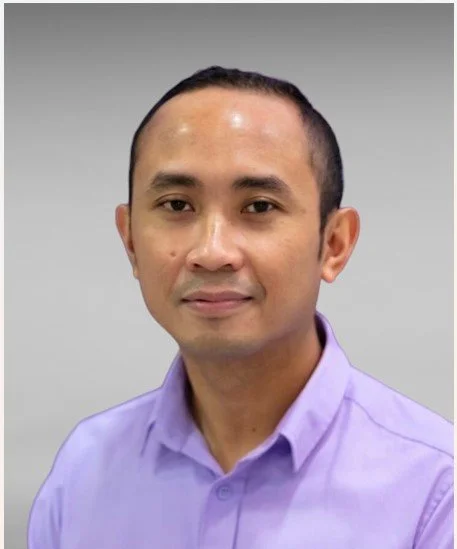
Gerard G. Dumancas
Associate Dean of Research and Program Innovation in the Honors College and Professor of Chemistry at North Carolina Agricultural and Technical State University (NC A&T)
Gerard G. Dumancas, Ph.D., is Associate Dean of Research and Program Innovation in the Honors College and Professor of Chemistry at North Carolina Agricultural and Technical State University (NC A&T), the nation’s largest historically Black university. He is an accomplished chemist, educator, and research leader with expertise spanning analytical chemistry, chemometrics, bioinformatics, materials science, data science, artificial intelligence, and STEM education.
Dr. Dumancas earned his Ph.D. in Chemistry from Oklahoma State University and completed postdoctoral training at the Oklahoma Medical Research Foundation. His work includes over 130 peer-reviewed publications, 100+ scientific presentations, and more than $2.5 million in external funding, including major National Science Foundation (NSF) initiatives for STEM workforce development, scholarships, and research training.
He has led interdisciplinary programs connecting students, faculty, industry, national laboratories, and external stakeholders. A recipient of multiple U.S. Department of Energy Visiting Professorships, he has collaborated with scientists at Lawrence Berkeley, Sandia, National Renewable Energy, and Los Alamos National Laboratories on advanced materials, computational methods, and emerging technologies.
At NC A&T, Dr. Dumancas directs the Office of Honors Research, establishing initiatives in undergraduate research, computational training, faculty-student collaboration, global engagement, and professional development. Under his leadership, the office delivers 13 research and experiential learning initiatives across roughly 30 annual events, expanding pathways for student research, institutional partnerships, and high-impact educational experiences.
As a 2026–2027 Trusted CI Fellow, Dr. Dumancas is committed to advancing cybersecurity awareness and strengthening the research ecosystem through collaboration, education, and the adoption of cybersecurity best practices. He is particularly interested in helping researchers, educators, and students understand the importance of secure research environments and the role of cyberinfrastructure in enabling innovative, collaborative, and responsible scientific discovery.
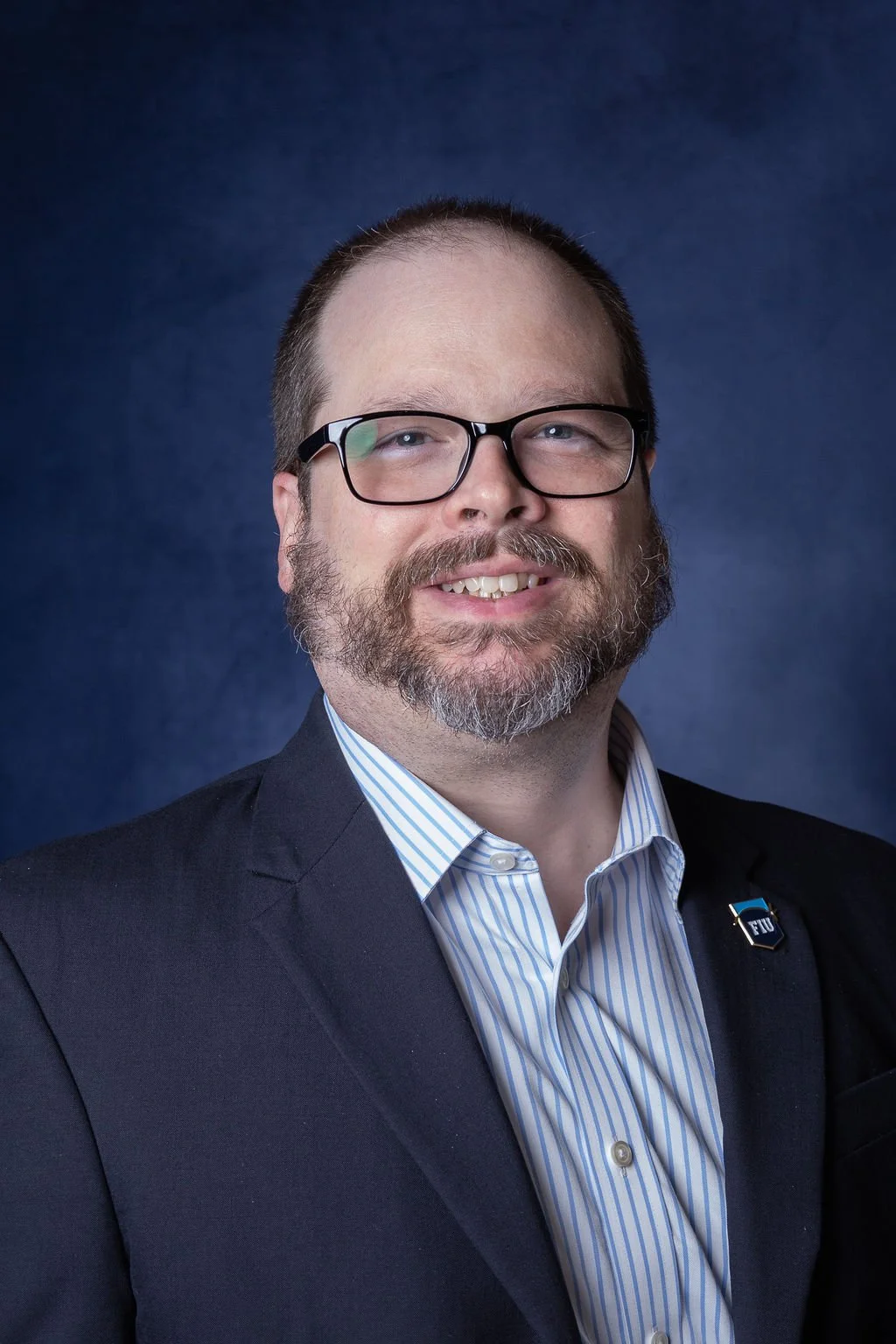
Roberto M. Gutierrez
Associate Vice President for Research at Florida International University Office of Research and Economic Development
Mr. Gutierrez serves as Associate Vice President for Research in the Florida International University (FIU) Office of Research and Economic Development (ORED), where he provides strategic and operational leadership for the university’s research administration enterprise. His portfolio includes oversight of units supporting proposal development and review, award negotiation, research security, export controls, classified research programs, and other core functions related to contracts and grants management. Mr. Gutierrez has been with FIU since 1997 and has served ORED since 2002, bringing extensive institutional knowledge and experience to advancing the university’s research mission. He holds a Bachelor of Arts in English and a Master of Science in Higher Education Administration, both from FIU.
He has presented at domestic and international conferences and seminars on a range of topics, including research data management, the use of technology in research administration, NIH processes for Latin American institutions, and the application of business process methodologies to enterprise resource planning initiatives. His professional background includes experience in departmental research administration as well as legal expertise gained through prior experience as an insurance defense litigation specialist. Mr. Gutierrez is an active member of the Council on Governmental Relations (COGR) and has served as the university’s administrative representative to the Federal Demonstration Partnership (FDP) since 2007. He currently serves on the FDP Research Security Subcommittee.
ORCID Profile:
Md Jobair Hossain Faruk
Assistant Professor in the Department of Computer Science and Engineering at the University of Central Arkansas
Dr. Md Jobair Hossain Faruk earned his Ph.D. in Computer Science from the New York Institute of Technology, an M.S. in Software Engineering from Kennesaw State University, and a B.S. in Software Engineering from Sultan Idris Education University, Malaysia.
His research lies at the intersection of artificial intelligence (AI), quantum machine learning (QML), cybersecurity, and health informatics. He develops secure, explainable, and privacy-preserving AI systems with applications in digital pathology, multimodal medical data analysis, clinical decision support, secure code analysis, software supply chain security, and malware and ransomware analysis. His long-term goal is to advance intelligent systems that are reliable, secure, and capable of addressing real-world challenges in healthcare and cybersecurity.
Dr. Faruk has contributed to several NSF- and NIH-supported research projects and has published extensively in leading journals and conferences, including IEEE, ACM, Elsevier, and Nature Portfolio journals. His work has received multiple Best Paper Awards, NSF travel grants, and other academic recognitions.
Before joining the University of Central Arkansas, Dr. Faruk was a SciAuth Fellow at the National Center for Supercomputing Applications (NCSA) at the University of Illinois Urbana-Champaign, where he contributed to research on secure scientific cyberinfrastructure, authentication, and blockchain-based verifiable credentials. He also served as an RCE SDGs Future Fellow and worked at the United Nations Headquarters.
Brian Koopman
Associate Research Scientist at Yale University
Brian Koopman's recent work focuses on developing, deploying, and maintaining custom data acquisition and control systems for the Advanced Simons Observatory (ASO), a new set of cosmic microwave background (CMB) telescopes located in the Atacama Desert in Chile. He was also recently appointed Chief Information Security Officer for ASO, and has begun to implement the Trusted CI framework.
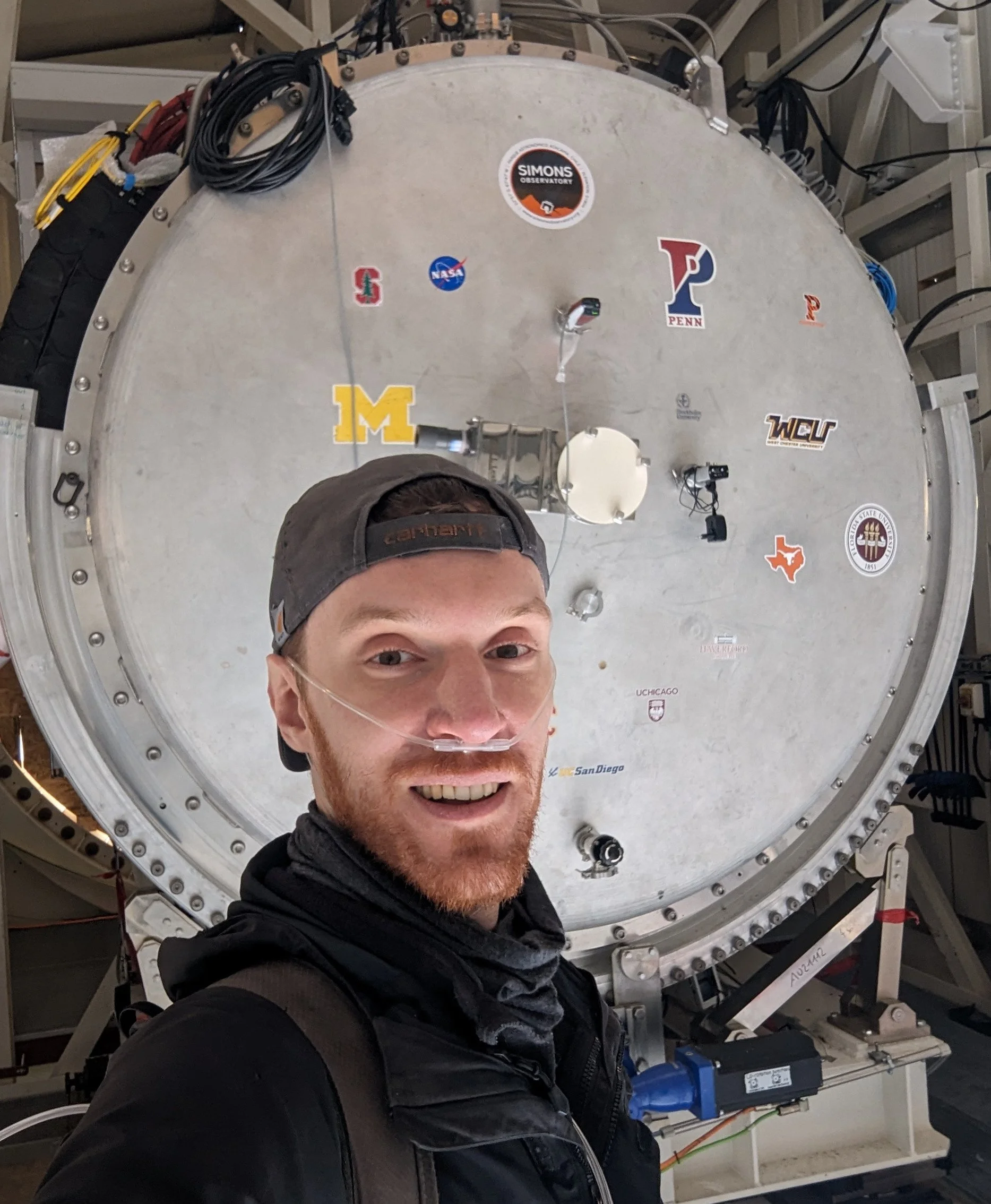
He has nearly fourteen years’ experience deploying instrumentation and maintaining computer systems for remote observatories. Pictured here he stands inside of the ASO Large Aperture Telescope (LAT) in front of the LAT receiver. He received his Ph.D. in Physics from Cornell University while working on the Atacama Cosmology Telescope, where he developed a novel optical modeling-based approach to polarization calibration. When he is not working on the telescopes you can find him on stage playing saxophone in the local Connecticut music scene.
Jerome McClendon
System Owner for the Granite Secure Enclave, Clemson University's NIST SP 800-171/CMMC-aligned secure research computing environment
Dr. Jerome McClendon earned his Ph.D. in Computer Science from Clemson University and both his B.S. and M.S. degrees in Computer Science from Auburn University. He is the System Owner for the Granite Secure Enclave, Clemson University's NIST SP 800-171/CMMC-aligned secure research computing environment, within Clemson 's Research Computing and Data (RCD) group. In this role, he oversees the management, security, and operation of the software and hardware infrastructure that supports federally sponsored research and enables researchers to conduct projects involving Controlled Unclassified Information (CUI) in a secure, compliant environment.
Prior to his current role, Dr. McClendon served as a Postdoctoral Researcher and Research Professor at Clemson University, where his research focused on artificial intelligence and machine learning for healthcare and autonomous systems, including Department of Defense-sponsored research. He is also the co-founder of a digital healthcare company, where he is responsible for cybersecurity and regulatory compliance, ensuring the protection of sensitive health information while maintaining secure and usable systems. His expertise spans research computing, cybersecurity, artificial intelligence, and healthcare, with a focus on designing secure, compliant infrastructure that enables scientific innovation while protecting sensitive data.

Jaya Preethi Mohan
Doctoral Researcher in Computer Science at the University of North Dakota
Jaya Preethi Mohan is a former Computer Scientist at Pacific Northwest National Laboratory (PNNL), with prior industry experience as a Software Engineer at IBM. Her current and previous research spans trustworthy AI, scientific software, reproducibility, high-performance computing, power systems, and aviation security.
Her research investigates how heterogeneous computing environments can influence the scientific validity of AI and simulation workflows, with an emphasis on reproducible research, research software engineering, and scalable cyberinfrastructure. She develops software and workflows that enable secure, reproducible, and trustworthy computational science across DOE supercomputers, institutional HPC clusters, and cloud platforms.
Her applied experience includes AI for critical infrastructure, scientific machine learning, cloud-native systems, and research software development, with peer-reviewed publications in IEEE venues. She is passionate about building sustainable, trustworthy software that advances reproducible and secure scientific computing.
Outside of research, Jaya enjoys creating accessible technical content and staying active through CrossFit, tennis, and golf. She values thoughtful conversations about ethics, scientific integrity, and the responsible use of AI.
Mandoye Ndoye
Professor of Electrical and Computer Engineering and Associate Department Head at Tuskegee
Dr. Ndoye’s research focuses on applied signal processing, machine learning, autonomous systems, and cybersecurity for critical cyber-physical systems. He has led and contributed to federally funded research supported by the Department of War, the National Science Foundation, and industry, with projects spanning secure AI, intelligent sensing, self-supervised learning, radar systems, and resilient cyber-physical infrastructure.
Beyond research, Dr. Ndoye is committed to advancing cybersecurity education and workforce development. He has helped expand Tuskegee University's Computer Engineering curriculum in cybersecurity, artificial intelligence, and the Internet of Things, and is leading the development of a cybersecurity certificate program emphasizing hands-on learning and industry certifications. He mentors undergraduate and graduate students in cybersecurity and AI research, holds CompTIA Security+ and AI Governance certifications, and is dedicated to strengthening research cyberinfrastructure, advancing research security and secure AI practices, and preparing the next generation of cybersecurity professionals across the HBCU community.

Becky Ortinez
Security and Compliance Lead at the University of Utah’s Center for High Performance Computing
Becky Ortinez leads cybersecurity governance and compliance initiatives supporting research computing environments. Her work focuses on building practical security programs for sensitive and regulated research, including translating requirements such as NIST SP 800-171 into implementable controls, policies, evidence, and operational processes.
Becky has more than 15 years of experience in higher education and information technology, with a background spanning cybersecurity governance, project leadership, technology operations, and organizational change. She is particularly interested in helping research computing organizations strengthen cybersecurity without creating unnecessary barriers to scientific discovery. Becky holds an MBA from the University of Connecticut and is a certified Project Management Professional and Lean Six Sigma Green Belt.
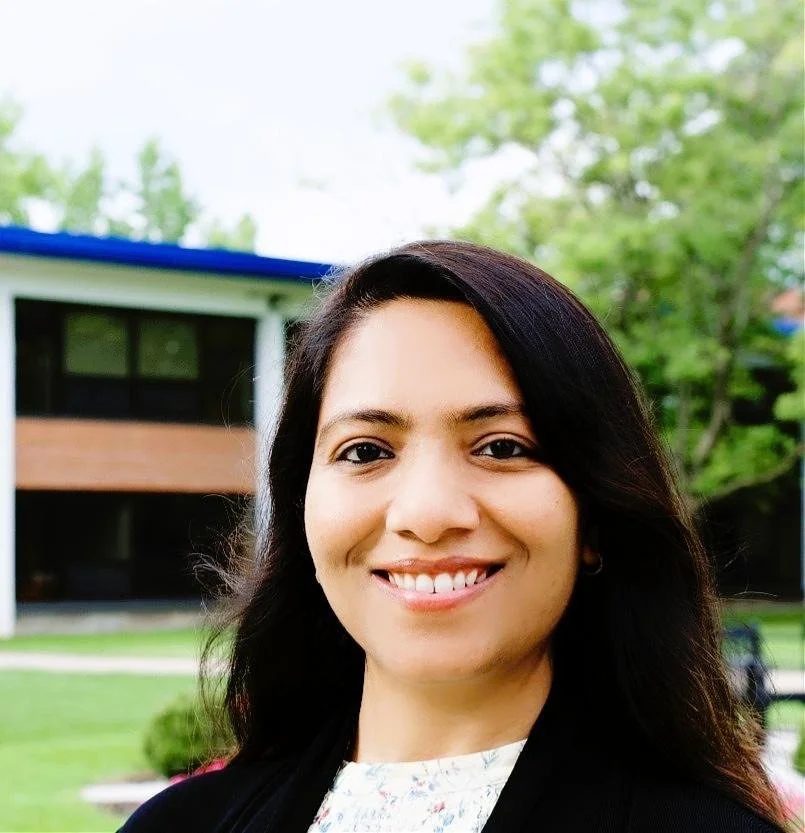
Unnati S. Shah
Department Chair and Associate Professor of Computer Science, Utica University
With a research focus at the intersection of artificial intelligence, software engineering, cybersecurity, and natural language processing, Dr. Shah develops intelligent systems that enhance software quality, security, and trustworthy AI practices. She serves on Utica University’s AI Task Force, contributing to initiatives that promote the effective integration of AI in teaching, learning, assessment, and academic programs.
She has published research in leading international conferences and journals, including REFSQ, SEKE, FLAIRS, Procedia Computer Science (Elsevier), and ACM SIGSOFT Software Engineering Notes. Dr. Shah actively mentors undergraduate and graduate students in applied research across cybersecurity, artificial intelligence, and software engineering, including projects on predictive vulnerability risk forecasting, post-quantum cryptography, and medical device security. Several of these projects have earned recognition at the Consortium of Computing Sciences in Colleges Northeastern Conference (CCSCNE) and SUNY Polytechnic Institute’s Faculty–Student Project Showcase.
Dr. Shah is an AWS Academy Educator, Cisco Networking Academy Instructor, and Conference Chair for the ACM New York Celebration of Women in Computing. She is the recipient of the Harold T. Clark, Jr. Award for Distinguished Scholarship and Professional Accomplishment (2025) and the Excellence in Research and Higher Education Award (2026). She looks forward to contributing to and collaborating with the Trusted CI Fellows community to advance cybersecurity education, research, and community engagement.
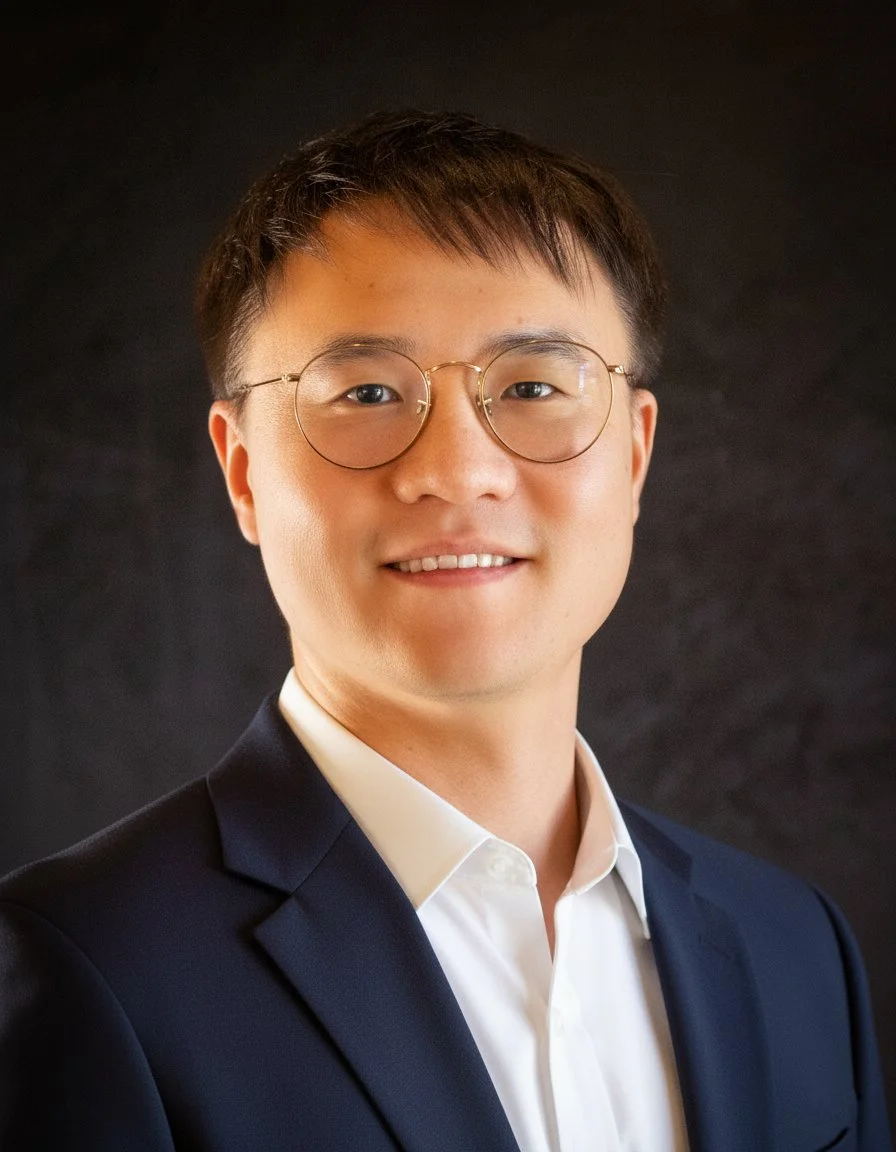
Shengjie Xu
Assistant Professor in the College of Information Science at the University of Arizona
Dr. Xu received his Ph.D. degree in Computer Engineering from the University of Nebraska-Lincoln and the M.S. degree in Telecommunications from the University of Pittsburgh. His research interests include cybersecurity, artificial intelligence and machine learning for cybersecurity, CyberAI, and intelligent networking systems. His research and educational activities have been supported by multiple U.S. federal agencies and industry partners. Dr. Xu currently serves as a Technical Editor for IEEE Wireless Communications Magazine and an Associate Technical Editor for IEEE Communications Magazine. He is also the Secretary of the IEEE Communications Society Technical Committee on Green Communications and Computing (TCGCC). He serves as Symposium Co-Chair of the Communication and Information System Security Symposium at IEEE GLOBECOM 2026. Dr. Xu is the recipient of the Faculty Excellence in Research Award from the University of Arizona College of Information Science, the Exemplary Editor Award from IEEE Wireless Communications Magazine, and the IET Journal Premium Award for Best Paper. He is a Senior Member of the IEEE and holds multiple professional certifications in cybersecurity and computer networking.
Twelve individuals with professional interests in cybersecurity have been selected from a competitive national pool. These Fellows represent a wide range of institutions, disciplines, and experiences, united by a shared commitment to advancing cybersecurity in their communities in support of trustworthy open science.
Throughout their Fellowship year, the Fellows will receive:
Recognition for their contributions to cybersecurity in the open science community.
Professional development opportunities, including specialized training.
Full travel support to participate in the 2026 NSF Cybersecurity Summit in Irvine, CA (October 27-29).
Trusted CI looks forward to supporting their journey and seeing the impact they will make in strengthening the security of scientific cyberinfrastructure.
About the Trusted CI Fellows Program
Trusted CI serves the scientific community as the NSF Cybersecurity Center of Excellence, providing leadership and assistance in cybersecurity in support of research. In 2019, Trusted CI established an Open Science Cybersecurity Fellows program. This program establishes and supports a network of Fellows with diversity in both geography and scientific discipline. These fellows will have access to training and other resources to foster their professional development in cybersecurity. In exchange, they will champion cybersecurity for science in their scientific and geographic communities and communicate challenges and successful practices to Trusted CI.
Fellows come from a variety of career stages. They demonstrate a passion for their area, the ability to communicate ideas effectively, and a real interest in the role of cybersecurity in research. Fellows are empowered to talk about cybersecurity to a wider audience, network with others who share a passion for cybersecurity for open science, and learn key skills that benefit them and their collaborators.